Featured
Table of Contents
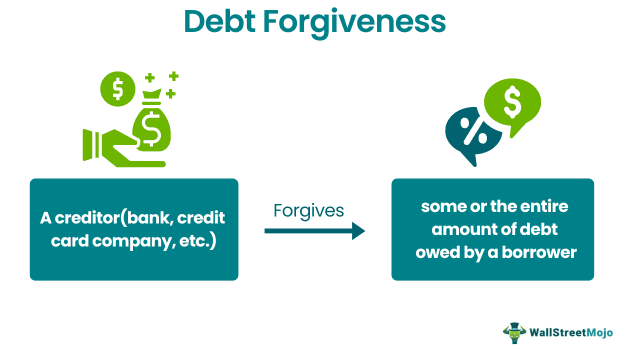
That releases up money in the short-term, and you may have three to 4 years to save towards the settlement amount. Extremely dangerous to credit history, primarily as a result of missed out on settlements and a negative "cleared up" mark that can remain on your credit report for up to seven yearsMay be only alternative if various other choices (financial debt loan consolidation, balance transfer charge card, financial obligation forgiveness) aren't possibleTypically calls for a cost to the 3rd party, which could counter some or every one of the financial savings from financial debt settlementMay aid you avoid insolvency if you've missed out on a number of paymentsNot all lenders function with debt settlement firms Debt forgiveness may be appropriate for you if you are experiencing a monetary challenge that makes it virtually impossible to pay for your debt equilibriums.
With a DMP, you make one monthly payment to the credit score counseling company. Those funds are after that distributed to creditors of your unsecured financial debts, such as charge card and installment financings. The firm functions with your creditors to lower rates of interest or waive charges, but some financial institutions might decline such giving ins.
It can aid you pay down financial obligation if you're able to secure a financing price that's reduced than the ordinary price of the accounts you're consolidating. You have to avoid from racking up financial debt on those freshly removed accounts or your debt can expand also greater.

That offers you lots of time to remove or dramatically reduce your balance while making interest-free payments.
Not known Facts About Staying Safe from Debt Relief Predatory Practices
You may need it if your financial institution or a collection firm ever attempts to accumulate on the financial obligation in the future. The letter can show you don't owe what the debt collection agency's documents show. Yes, in many cases, the IRS considers forgiven debt as taxed revenue. When a loan provider forgives $600 or more, they are needed to send you Form 1099-C.
Financial debt forgiveness or negotiation often injures your credit. Anytime you settle a financial obligation for much less than you owe, it might look like "resolved" on your credit rating report and influence your credit scores rating for 7 years from the date of negotiation. Your credit scores can also drop considerably in the months bring about the mercy if you fall back on settlements.
The Definitive Guide to Comparing APFSC to Find the Right Fit
This circumstance frequently results from underreporting earnings, not filing returns on time, or inconsistencies discovered during an IRS audit. The effects of collecting tax obligation debt are serious and can include tax liens, which provide the IRS a legal insurance claim to your residential or commercial property as safety for the financial obligation.
Earnings and Financial institution Accounts Internal revenue service can impose (take) incomes and bank accounts to please the financial debt. Home Seizure In extreme cases, the IRS can seize and sell residential or commercial property to cover the financial obligation.
Depression, anxiety, and various other mental wellness concerns. Social Preconception Dealing with legal activity from the IRS can lug social stigma. Damage to online reputation and relationships. Work Opportunities A poor credit rating due to tax financial debt can restrict job opportunity. Problem finding or maintaining a task. Government Advantages Tax obligation financial debt might affect qualification for government advantages, such as Social Safety And Security and Medicaid.
The Buzz on Your Interests
The OIC thinks about several aspects, including the taxpayer's income, expenditures, property equity, and capacity to pay. Efficiently discussing an OIC can be complicated, needing a detailed understanding of the internal revenue service's standards and a solid debate for why your deal straightens with your capability to pay. It is essential to note that not all applications are accepted, and the procedure calls for detailed financial disclosure.
The IRS analyzes your general economic circumstance, including your income, costs, possession equity, and capacity to pay. You must also be present with all declaring and payment demands and not be in an open insolvency proceeding. The internal revenue service also considers your compliance history, examining whether you have a document of timely filing and paying taxes in previous years.
The Single Strategy To Use For APFSC Philosophy with Clients
The application procedure for a Deal in Compromise entails a number of detailed actions. First, you have to finish and send internal revenue service Type 656, the Offer in Concession application, and Form 433-A (OIC), a collection information statement for individuals. These types call for thorough monetary details, consisting of information concerning your income, debts, expenditures, and possessions.
Back tax obligations, which are overdue tax obligations from previous years, can dramatically enhance your overall internal revenue service debt if not addressed immediately. This debt can build up interest and late settlement penalties, making the original amount owed much larger over time. Failure to pay back taxes can result in the IRS taking enforcement actions, such as issuing a tax obligation lien or levy against your residential property.
It is vital to resolve back tax obligations immediately, either by paying the total owed or by setting up a settlement plan with the internal revenue service. By taking proactive steps, you can stay clear of the buildup of additional passion and fines, and protect against more hostile collection actions by the internal revenue service.
One typical reason is the belief that the taxpayer can pay the complete amount either as a swelling sum or via a repayment strategy. The IRS additionally thinks about the taxpayer's revenue, costs, property equity, and future earning possibility. If these variables suggest that the taxpayer can afford to pay more than the offered amount, the internal revenue service is likely to deny the deal.
Chapter 7 Essentials Before Consulting Fundamentals Explained
It is essential to give precise and full details in your application and to speak with a tax obligation specialist to boost the chances of acceptance. Handling internal revenue service debt can be complicated and challenging. Tax experts, such as Certified public accountants, tax attorneys, or enrolled representatives, can provide very useful support. They have the experience to browse the intricacies of tax legislation and internal revenue service treatments.

Table of Contents
Latest Posts
Excitement About How Debt Counseling Ensures Industry Standards
What Does Industry Developments in Bankruptcy Counseling Services Do?
4 Simple Techniques For The Future for Bankruptcy Counseling Solutions
More
Latest Posts
Excitement About How Debt Counseling Ensures Industry Standards
What Does Industry Developments in Bankruptcy Counseling Services Do?
4 Simple Techniques For The Future for Bankruptcy Counseling Solutions